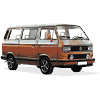
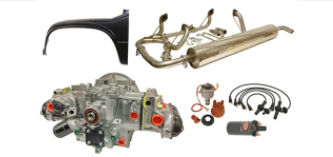
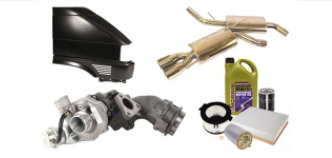
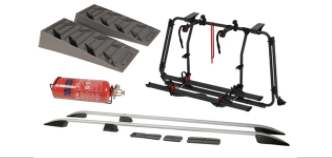
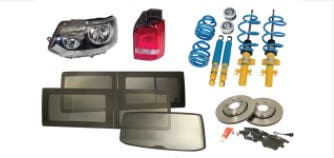
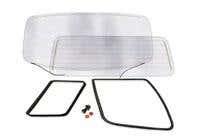
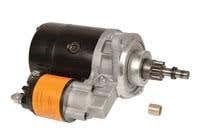
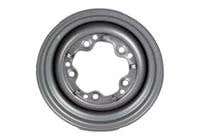
Keep your VW T2 Bay Window maintained and ready for the road with parts and accessories from Just Kampers.
Whether you’re carrying out routine servicing, repairing bodywork, replacing seals or restoring a camper, start with the parts category that matches your project and check the individual product compatibility against your vehicle before ordering.
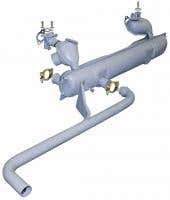
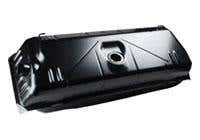
You’ll also find T2 Bay parts for exhausts, fuel systems, gearboxes and CV joints, brakes, suspension and steering, bumpers, interiors, electrical systems, wheels and accessories.
Shop VW T2 Bay Parts by Category
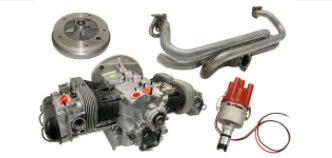
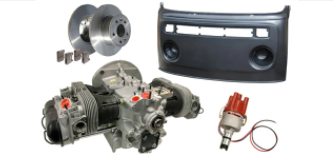
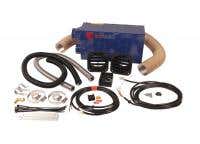
VW T2 Bay Engine and Service Parts
Browse engine components and service parts for maintaining and repairing your VW T2 Bay.
The T2 Bay was produced with different engine configurations during its production life, so engine-related compatibility can depend on factors including model year, engine capacity and engine type.
Check the compatibility information on the individual product before ordering rather than assuming that an engine or service component fits every T2 Bay.
Repair corrosion, accident damage or tired bodywork with replacement and repair panels for the T2 Bay.
The range includes panels and repair sections for areas including the front end, wheel arches, cab doors, sliding door, side panels and sills, rear panels, floors and chassis.Some panels differ between Early, Crossover and Late Bay vehicles, so check the specified model year and fitment information carefully.
Replacing worn seals can form part of bodywork, window, door and restoration projects. Browse seals, glass, mirrors, door components, handles, hinges, trim and related parts for different areas of your T2 Bay.
Changes were made throughout production, including alterations to bodywork, brakes, suspension, doors, lighting, bumpers and other components. This means the model year of your vehicle can be an important part of identifying the correct replacement part.
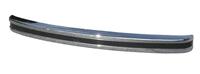
You’ll commonly see T2 Bays described as Early Bay, Crossover and Late Bay. JK’s model information identifies Early Bays with features such as small rear lights, wrap-around bumpers and low front indicators. Transitional or Crossover vehicles combine features associated with different production periods, while later Bays have features including larger rear lights, later-style bumpers and higher-mounted front indicators.
Because changes did not all occur at one simple model-year boundary, use the year and compatibility information on the individual product listing rather than relying only on an Early, Crossover or Late Bay label.
“Crossover” is commonly used for T2 Bays built during the transition between earlier and later specifications. These vehicles can combine features from different production periods, which makes careful fitment checking particularly important.
For example, body panels, brakes, suspension components, lights, bumpers and other parts may be specific to a particular production period or vehicle configuration. If you own a Crossover Bay, check the actual features of your vehicle alongside its year and the compatibility information shown for the product.
If you’re still unsure, contact the JK team before ordering; we are happy to help you find the right VW T2 Bay Window Part
What About Brazilian-Built T2 Bays?
Brazilian-built T2 Bays should not automatically be treated as identical to German-built T2 Bays.
Some products are explicitly listed by Just Kampers as compatible with both German-built T2 Bays and Brazilian Bays, while other components are specific to a particular vehicle, production period or specification.
For example, some window seals, glass and accessories are individually listed for both T2 Bay and Brazilian Bay applications. That does not mean every T2 Bay component is interchangeable. If you own a Brazilian-built vehicle, look for explicit Brazilian Bay compatibility on the individual product page before ordering. Do not assume that a part listed for a 1967–1979 T2 Bay will automatically fit a later Brazilian-built vehicle.
Before ordering a part, compare the product compatibility information with your vehicle.
Depending on the component, useful information can include:
• Model year • Early, Crossover or Late Bay specification • Engine capacity and engine specification • Left- or right-hand drive where relevant • Body style or configuration • Camper conversion where relevant • German- or Brazilian-built vehicle • Existing component or bodywork configuration
You won’t necessarily need all of these details for every part. An engine component may depend primarily on engine specification and year, while a body panel, door component, seal or piece of glass may depend on production period, body configuration or the exact area being repaired. Always start with the compatibility information shown on the individual product page.
Need Help Confirming T2 Bay Fitment?
If you’re unsure whether a part is suitable for your T2 Bay, check the product compatibility information first.
If you still need help, contact the Just Kampers team with as much information about your vehicle as possible. Useful details can include the model year, engine size, whether the vehicle appears to be an Early, Crossover or Late Bay, body configuration and whether it is German- or Brazilian-built.
Photos of the existing component or relevant area of the vehicle may also be useful where a visual difference needs to be identified. The JK team can then help you compare your vehicle information with the available product details before ordering.
Where can I buy genuine and aftermarket VW T2 Bay Window parts?
Just Kampers is an excellent place to buy genuine and aftermarket VW T2 Bay Window parts. With a comprehensive catalogue of items, they offer everything from engine components to body panels and interior accessories. The site is user-friendly, allowing easy navigation by vehicle type and part category. Known for quality products and a strong reputation in the VW community since 1989, Just Kampers ensures reliable and timely delivery of parts, making them a trusted choice for VW enthusiasts.
What are the essential parts needed for maintaining a VW T2 Bay Window?
Maintaining a VW T2 Bay Window requires essential parts to ensure its smooth operation. Key components include engine and transmission parts for performance and reliability. Regularly replace brake systems, including pads and discs, for safety. Suspension parts, like shock absorbers and bushings, maintain ride quality. Body panels and seals are crucial for preventing rust and maintaining structural integrity. Interior items, such as upholstery and trim, ensure comfort and style. Just Kampers offers a wide range of these parts, making them a go-to resource for VW enthusiasts. For more details, visit: Just Kampers VW T2 Bay Window Parts.
How do I identify the correct part number for my VW T2 Bay Window?
Identifying the correct part number for your VW T2 Bay Window involves checking your vehicle's documentation and existing parts for numbers and specifications. Just Kampers is a great resource for this process because they provide detailed product descriptions and compatibility information for each part. Their user-friendly website helps you filter parts by model year and type, ensuring you find the exact match. Additionally, their knowledgeable customer service team can assist with any specific questions about parts compatibility and identification. For more information, visit: Just Kampers VW T2 Bay Window Parts.
What are the essential parts needed for maintaining or restoring a VW T2 Bay Window?
Maintaining or restoring a VW T2 Bay Window requires several essential parts to ensure optimal performance and longevity. Here are the key components you should consider:
Engine Parts: Regular maintenance of the engine is crucial. Essential parts include oil filters, spark plugs, air filters, and gaskets. Consider also upgrading with performance parts for better efficiency.
Suspension and Steering: Inspect and replace worn suspension components such as shock absorbers, bushings, and ball joints. This will improve handling and ride comfort.
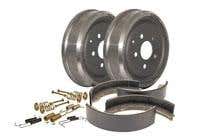
Braking System: Ensure your braking system is in top condition. Key parts include brake pads, rotors, hoses, and fluid. Regular checks can enhance safety.
Electrical Components: Maintain the electrical system by replacing worn wiring, fuses, and ensuring the battery is in good condition. Consider LED upgrades for better visibility and efficiency.
Body and Interior Parts: Replace rusted panels, seals, and upholstery for aesthetics and comfort. Quality floor mats and carpets can also enhance the interior.
Windows and Seals: Ensure windows are properly sealed and consider replacing rubber seals to prevent leaks.
For a comprehensive range of VW T2 Bay Window parts, visit Just Kampers. Having these essential parts on hand will help you maintain or restore your beloved Bay Window effectively.
How do I identify the correct parts for my specific VW T2 Bay model?
Identifying the correct parts for your specific VW T2 Bay Window model is essential for successful maintenance and restoration. Here’s how to ensure you select the right components:
Know Your Model Year: The VW T2 Bay Window was produced from 1968 to 1979, and various parts differ between model years. Locate the production date on the vehicle's VIN plate, usually found in the engine compartment or near the driver’s seat.
Refer to Original Documentation: Consult your owner’s manual or any available service manuals. These documents often contain detailed parts lists and specifications relevant to your model.
Use Parts Catalogs: Access parts catalogs from reputable suppliers like Just Kampers. They categorize parts by year, engine type, and configuration, making it easier to find what you need.
Join Online Forums: Engaging with VW T2 enthusiast communities online can provide valuable insights. Members often share experiences and can recommend the right parts based on your model specifics.
Cross-Reference with OEM Numbers: When possible, cross-reference parts with original equipment manufacturer (OEM) numbers to ensure compatibility.
For a comprehensive range of VW T2 Bay Window parts, visit Just Kampers to find exactly what you need for your restoration project.
What are the most common rust-prone areas on a VW T2 Bay?
The VW T2 Bay Window is beloved for its classic design, but it is also known for its susceptibility to rust. Here are the most common rust-prone areas to watch for:
Wheel Arches: The wheel arches often collect dirt and moisture, creating a breeding ground for rust. Regularly check these areas for bubbling paint or visible rust spots.
Lower Sills: The lower sills are prone to rust due to their exposure to road salt and debris. Inspect the seams and edges where moisture can accumulate.
Cargo Floor Pans: Water leaks from windows, doors, or undercarriage can lead to rusted cargo floors. Look for soft spots or corrosion, especially in the front and rear footwells.
Around Windows and Doors: The areas surrounding windows and doors can develop rust from water ingress. Pay attention to any cracked seals or paint chipping.
Battery Tray: This area is often neglected, but battery acid and moisture can cause significant rust damage. Regularly check the battery tray for corrosion.
Front and Rear Valances: These sections can trap moisture and dirt, making them susceptible to rust.
Regular inspections and prompt repairs can help you manage rust and maintain your VW T2 Bay Window’s integrity. For quality parts and support, visit Just Kampers.
Are Brazilian-built VW T2 parts interchangeable with classic T2 Bay Window models?
Brazilian-built VW T2 parts and classic T2 Bay Window models have some interchangeability, but it's essential to be cautious. The Brazilian T2, produced from the late 1970s until the early 2010s, features several design updates and modifications compared to the original Bay Window models, which were manufactured from 1968 to 1979.
Common Parts: Many mechanical components, such as transmissions, and some suspension parts, are similar enough that they can be interchanged with minor modifications.
Body Panels and Trim: Body panels may differ due to design changes in the Brazilian T2. While some panels might fit, it's crucial to verify compatibility as certain dimensions and mounting points can vary.
Interior Components: Interior parts, including seats and dashboard elements, may not be directly interchangeable due to different designs and configurations between the two models.
Documentation and Resources: Always consult parts catalogues or knowledgeable suppliers like Just Kampers to ensure compatibility when sourcing parts.
For a wide selection of T2 Bay Window parts, visit Just Kampers to help maintain your classic VW.
What parts are most likely to need replacement on a Brazilian-built VW T2?
Brazilian-built VW T2s, while robust, often require specific parts to be replaced due to wear and tear. Here are the most commonly needed replacements:
Suspension Components: Bushings, shock absorbers, and control arms are frequently replaced due to age and rough road conditions. Over time, these parts can wear down, affecting ride quality and handling.
Brake System: Brake pads, rotors, and lines are crucial for safety. These components should be inspected regularly and replaced as needed to ensure effective braking performance.
Electrical Parts: Wiring, switches, and connectors can corrode or fail, especially in older models. Upgrading to modern wiring can improve reliability.
Engine Components: Items like fuel pumps, filters, and gaskets often need replacement as they age. Regular maintenance can prolong their life, but replacements are inevitable.
Body Panels and Seals: Rust is a common issue, so floor pans, wheel arches, and door seals may require replacement. Ensuring a watertight seal is essential for preventing further rust damage.
For a reliable selection of VW T2 Bay Window parts, visit Just Kampers to find what you need for your Brazilian-built T2. Regular maintenance and timely replacements will help keep your van in excellent condition.
How can I identify the correct parts for air-cooled versus water-cooled Brazilian T2 models?
Identifying the correct parts for air-cooled versus water-cooled Brazilian T2 models is crucial for effective maintenance and restoration. Here’s how to distinguish between the two:
Engine Type: The most significant difference lies in the engine configuration. Air-cooled models typically feature a horizontally opposed engine located at the rear, while water-cooled models have a more conventional upright engine design. Check the engine compartment for the cooling setup.
Engine Size: Brazilian T2s produced from 1979 onwards are generally water-cooled, featuring engines that are larger and more complex than their air-cooled counterparts. Be aware of the engine size and type when searching for parts.
Parts Catalogs: Utilize reputable parts catalogues, such as those from Just Kampers, that clearly differentiate between air-cooled and water-cooled parts. These catalogues provide comprehensive lists of compatible components based on the engine type and model year.
OEM Numbers: Cross-reference OEM part numbers specific to your engine type. This ensures that the parts you select will fit correctly.
Consult Enthusiast Communities: Engage with online forums or local clubs where experienced owners can provide insights and advice based on their own experiences.
For a wide range of VW T2 Bay Window parts, visit Just Kampers to find what you need for your specific model.
Are there any specific tools or kits needed for DIY maintenance on VW T2 models?
For DIY maintenance on VW T2 models, having the right tools and kits is essential for efficient and effective repairs. Here are some specific tools and kits you should consider:
Basic Tool Set: A standard set of hand tools, including screwdrivers, wrenches, pliers, and sockets, is crucial for general maintenance tasks like tightening bolts or changing filters.
Torque Wrench: This tool is vital for ensuring that bolts are tightened to the manufacturer’s specifications, especially when working on critical components like the engine or suspension.
Jack and Jack Stands: A sturdy jack and jack stands are necessary for safely lifting the vehicle when performing undercarriage maintenance, such as brake or suspension work.
Volkswagen Specialty Tools: Certain VW-specific tools, like those for adjusting valves or removing the flywheel, can make repairs easier and more precise. Consider investing in a VW T2 repair manual for guidance.
Diagnostic Tools: If you’re dealing with electrical issues, a multimeter can help diagnose wiring problems.
Maintenance Kits: Many suppliers, like Just Kampers, offer complete maintenance kits tailored for VW T2 models, which can include filters, gaskets, and other essential components.
What are the best options for upgrading the suspension and braking systems on a VW T2 Bay?
Upgrading the suspension and braking systems on your VW T2 Bay Window can significantly enhance performance, safety, and ride quality. Here are some of the best options:
Suspension Upgrades
Adjustable Shocks: Investing in adjustable shock absorbers allows you to tailor the ride quality and handling to your preference, providing a smoother ride over various terrains.
Coilover Kits: Coilover kits can improve handling by lowering the center of gravity, which enhances stability during turns. They also offer adjustable ride height.
Upgraded Springs: Replacing old leaf springs with higher-quality or heavy-duty options can improve load-bearing capacity and ride comfort, especially for camper conversions.
Anti-Roll Bars: Adding or upgrading anti-roll bars can reduce body roll during cornering, enhancing stability and control.
Braking System Upgrades
Disc Brake Conversion Kits: Converting from drum brakes to disc brakes on the front (and possibly rear) can provide better stopping power and heat dissipation, improving overall safety.
Performance Brake Pads: Upgrading to high-performance brake pads can enhance braking efficiency and reduce fade during prolonged use.
Stainless Steel Brake Lines: Replacing rubber brake lines with stainless steel options improves braking response and reduces the likelihood of expansion under pressure.
How can I improve fuel efficiency on a VW T2 Bay, especially for longer trips?
Improving fuel efficiency on your VW T2 Bay Window, especially for longer trips, involves a combination of maintenance, driving habits, and potential upgrades. Here are some effective strategies:
Regular Maintenance: Keep your engine well-tuned by regularly checking and replacing spark plugs, air filters, and fuel filters. Ensuring the engine runs smoothly can enhance fuel efficiency.
Tire Pressure: Maintain proper tire pressure, as under-inflated tires can increase rolling resistance and reduce mileage. Check tire pressure regularly and keep them inflated to the manufacturer’s recommended levels.
Weight Management: Reduce unnecessary weight by removing excess cargo or items that you don’t need for your trip. A lighter vehicle will consume less fuel.
Driving Habits: Practice smooth acceleration and braking. Avoid rapid starts and high-speed driving, as maintaining a consistent speed can improve fuel economy. Use cruise control on highways to help maintain a steady speed.
Aerodynamics: Minimize wind resistance by removing roof racks or carriers when not in use. Streamlining your vehicle can lead to better fuel efficiency.
Fuel Additives: Consider using fuel additives designed to clean the fuel system and improve combustion efficiency.
For more tips and a wide range of VW T2 Bay Window parts to help with your maintenance needs, visit Just Kampers. These improvements can help make your longer trips more economical.
What are the common electrical issues on a VW T2, and how can I resolve them?
Common electrical issues on a VW T2 Bay Window can disrupt your driving experience, but many can be resolved with some troubleshooting. Here are a few prevalent problems and their solutions:
Dead Battery: If your T2 won't start, a dead battery is often the culprit. Check the battery connections for corrosion and ensure they are tightly secured. If the battery is old, consider replacing it.
Faulty Alternator: A failing alternator can lead to battery drain. Use a multimeter to check the voltage; it should be around 13.8 to 14.4 volts when the engine is running. If not, the alternator may need replacing.
Blown Fuses: Frequent blown fuses can indicate a short circuit. Inspect the fuse box and replace any blown fuses. If the same fuse keeps blowing, trace the wiring to locate the short.
Dim or Flickering Lights: This could be due to poor connections or grounding issues. Check all light bulb connections and grounds, cleaning any corroded contacts.
Wiring Issues: Over time, the wiring insulation can wear out. Inspect for frayed wires and repair or replace them as necessary.
For detailed parts and support, visit Just Kampers to find the components you need to keep your VW T2 Bay Window in top electrical condition. Regular maintenance and prompt repairs can prevent these issues from becoming significant problems.
How do Early, Late and Crossover Bay parts differ?
The T2 Bay changed throughout its production life, so parts can differ according to model year and vehicle specification.
Early Bays use a number of different body, lighting, bumper, braking and other components from later vehicles. Crossover Bays were produced during periods of transition and can combine earlier and later features. This makes it particularly important to identify the components actually fitted to the vehicle rather than choosing a part solely because it is labelled “Early” or “Late”.
Later Bays also received changes to areas including bodywork, lighting, bumpers, doors and mechanical components. Check the model-year range and compatibility information for the individual product before ordering.
Are Brazilian Bay parts interchangeable with other T2 Bay parts?
Some are, but not all.
Certain products are explicitly listed as fitting both 1967–1979 T2 Bays and Brazilian-built Bays. Other components differ according to the vehicle’s production period and specification. If you own a Brazilian Bay, choose products that explicitly include your vehicle in their compatibility information rather than assuming that every German T2 Bay part is interchangeable. If the product information is unclear, contact the JK team before ordering.
Which details should I supply for a fitment check?
Start with your vehicle’s model year.
Depending on the part, it can also help to provide your engine size or specification, whether the vehicle is an Early, Crossover or Late Bay, its body configuration, whether it is left- or right-hand drive where relevant, and whether it is German- or Brazilian-built.
For bodywork, seals, doors and other visually different components, information about the existing part or the area being repaired can also help. Providing these details gives the JK team more information to compare with the product’s stated compatibility.
Which engine code does my T2 Bay have?
The safest way to find out is to check the engine that's actually fitted to your Bay.
The engine code is stamped into the engine case. Its location varies depending on the type of engine fitted. Don't rely on the vehicle's year alone. T2 Bays have been on the road for decades, and it's quite common to come across one that's had a replacement or rebuilt engine at some point.
Once you've found the code, use it alongside the engine capacity and specification when checking parts.
Are exchange engines subject to additional conditions?
They can be.
Some replacement, reconditioned or exchange products may have a deposit or surcharge attached to them and may require you to return your old unit. The conditions vary between products, so check the individual listing for the current exchange terms, what's supplied and what needs to be returned.