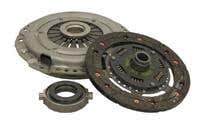
Shop VW Beetle clutch components at Just Kampers, with parts for maintaining, repairing and upgrading the clutch on classic air-cooled Beetles. Find complete clutch kits, centre plates, pressure plates, release bearings, flywheels, clutch shafts, lever arms and fitting hardware for a wide range of Beetle applications.
From replacing a worn road-car clutch to upgrading the drivetrain on a modified Beetle, matching the components correctly is essential. If you’re unsure which clutch setup you have, get in touch with the JK Team – we’re always happy to help.
About Just Kampers
Just Kampers has been supporting the VW community since 1989, supplying parts for standard, restored and modified classic Volkswagens.
Many of us at JK own, drive and work on air-cooled VWs ourselves, so we understand the challenges of maintaining cars which may have had engines, gearboxes and other components replaced during their lifetime. Our team is here to help you identify the right parts before you buy.
Browse our complete range of VW Beetle Engine Parts for servicing, repair and performance components.
Our range covers everything from straightforward clutch replacement to performance upgrades, including:
- Complete clutch kits: 180mm and 200mm kits for compatible Beetle engine and gearbox combinations.
- Clutch centre plates: Standard and heavy-duty discs for replacing worn components or upgrading modified cars.
- Pressure plates: Standard replacement and performance options, including uprated EMPI pressure plates.
- Release components: Release bearings, bearing clips, clutch shafts and lever arms for early and later clutch systems.
- Flywheels: Standard and lightened 200mm flywheels, plus gland nuts, dowel pins, O-rings and fitting hardware.
- Clutch operating parts: Shaft kits, cable-related fittings and other components needed to keep the clutch operating correctly.
Choosing the Correct VW Beetle Clutch
The clutch needs to match the engine, flywheel, gearbox and release mechanism. Many Beetles have been modified over the years, so registration year alone isn’t always enough.
Before ordering, check:
- 180mm or 200mm: Both sizes are used across Beetle applications, so confirm the diameter of your existing clutch and flywheel.
- Early or late release system: Earlier and later Beetles use different release-bearing and pressure-plate arrangements which aren’t automatically interchangeable.
- Engine & gearbox combination: A replacement engine or gearbox can change which clutch components are required.
- Flywheel specification: Check the flywheel diameter, condition and compatibility with the clutch assembly.
- Standard or uprated: A standard clutch is suitable for many stock road cars, while higher-output engines may require stronger components.
Is Your VW Beetle Clutch Worn?
A clutch problem doesn’t always mean the complete assembly needs replacing. Common symptoms worth investigating include:
- Clutch slip: Engine speed rises without a corresponding increase in road speed, particularly under acceleration or load.
- Judder: Shaking or vibration as the clutch engages can be caused by clutch, flywheel, mounting or contamination issues.
- Dragging clutch: Difficulty selecting gears when stationary can indicate that the clutch isn’t fully disengaging.
- Noisy operation: Release-bearing or operating-mechanism wear can cause noise when the clutch pedal is pressed.
- Pedal problems: Incorrect cable adjustment or worn operating components can affect clutch feel and engagement.
Diagnose the cause before ordering parts, as clutch cable, gearbox, engine-mount or operating-mechanism problems can produce similar symptoms.
What Should You Check During a Clutch Replacement?
Accessing the Beetle clutch requires removal of the engine, so it makes sense to inspect related components while everything is accessible:
- Flywheel: Check the friction surface and inspect the gland nut and associated components.
- Release bearing: Inspect for wear and make sure the bearing matches the pressure-plate arrangement.
- Clutch shaft & lever: Check the operating mechanism for excessive wear or damage.
- Oil leaks: Oil contamination can quickly damage a new clutch, so investigate leaks around the engine and gearbox before reassembly.
- Engine & gearbox mounts: Inspect ageing or damaged mounts while the engine is removed.
- Clutch cable: Check condition and adjustment before putting the car back into service.
Note: Treat the clutch as a complete system. A new centre plate won’t solve problems caused by an incompatible pressure plate, worn release mechanism, damaged flywheel or incorrect adjustment.
Standard or Performance Clutch?
- Standard road Beetle: Quality standard components are generally the best choice for a stock or mildly modified car.
- Heavy-duty clutch disc: Can provide additional holding capacity for engines producing more torque.
- Performance pressure plate: Uprated pressure plates are available for higher-output applications.
- Lightened flywheel: Can allow the engine to change speed more quickly, but should be selected as part of the overall engine and drivetrain specification.
Performance parts should be matched to how the Beetle is actually used. A heavier-duty clutch isn’t necessarily an advantage on an otherwise standard road car.
Related VW Beetle Parts
Working on your Beetle’s clutch or drivetrain? You may also need:
Shop the complete range of VW Beetle Engine Parts at Just Kampers.